
Table of Contents
ToggleBPC-157 Peptide Research: Understanding Molecular Science, Laboratory Studies & Future Biotechnology
Introduction: The Growing Interest in BPC-157 Peptide Research
BPC-157 Peptide Research has become an increasingly discussed area within modern peptide science and biotechnology. Researchers are studying this synthetic peptide because it provides valuable insights into peptide structures, molecular interactions, and advanced biological research.
Peptides are short chains of amino acids that play important roles in biological systems. Due to their smaller size compared with proteins, peptides are often easier for scientists to analyze, modify, and study in controlled laboratory environments.
BPC-157 is considered a research peptide that scientists investigate to better understand:
- Peptide molecular structures
- Biological communication pathways
- Synthetic peptide technology
- Biotechnology applications
- Laboratory research methods
The growing interest in BPC-157 demonstrates the increasing importance of peptide science in modern molecular research.
What Is BPC-157?
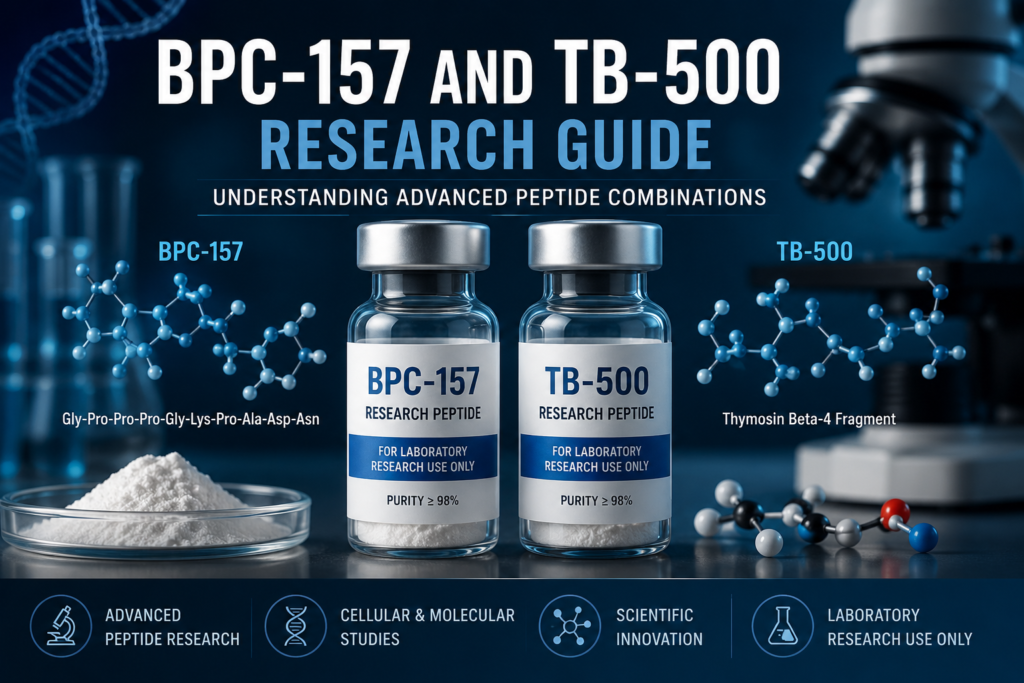
BPC-157 is a synthetic peptide sequence studied within the field of peptide research.
The name BPC refers to Body Protection Compound, while 157 identifies the specific peptide sequence studied by researchers.
Scientists investigate BPC-157 because it represents an example of a designed peptide molecule that can be analyzed using modern biotechnology methods.
Research surrounding BPC-157 focuses on understanding:
- Molecular characteristics
- Peptide structure
- Laboratory properties
- Potential biological interactions
Like many research peptides, BPC-157 is studied primarily as a scientific molecule rather than as a general biological substance.
Understanding BPC-157 Molecular Structure
The molecular structure of a peptide determines how researchers analyze and understand its characteristics.
BPC-157 is composed of a specific sequence of amino acids arranged in a defined structure.
Scientists examine peptide structures because small changes in:
- Amino acid sequence
- Molecular arrangement
- Chemical properties
can influence how peptides behave in research environments.
Understanding the BPC-157 molecular structure helps researchers investigate:
- Peptide stability
- Molecular composition
- Structural characteristics
- Scientific applications
Why Scientists Study BPC-157 Peptide Research
Scientists study BPC-157 because it provides an opportunity to explore how synthetic peptides can be designed and analyzed.
Research areas include:
1. Peptide Chemistry
Peptide chemistry focuses on understanding:
- Amino acid connections
- Molecular structures
- Chemical properties
BPC-157 research contributes to broader knowledge about synthetic peptide molecules.
2. Molecular Biology
Molecular biology investigates how biological molecules interact.
Researchers use peptide studies to explore:
- Molecular communication
- Biological pathways
- Cellular environments
3. Biotechnology Innovation
Modern biotechnology uses peptide research to develop new scientific approaches.
Peptide studies contribute to advancements in:
- Molecular engineering
- Laboratory technologies
- Scientific analysis
BPC-157 Peptide Research in Modern Biotechnology
The field of biotechnology continues expanding as scientists develop new methods for studying peptides.
BPC-157 peptide research fits into this larger scientific environment by contributing knowledge about:
- Synthetic molecules
- Peptide design
- Molecular analysis
Biotechnology researchers use advanced tools to investigate peptide characteristics and understand how different molecular structures behave.
Synthetic Peptide Research and BPC-157
Synthetic peptide technology has transformed modern molecular science.
Scientists can now create peptide molecules with controlled characteristics, allowing researchers to study specific structures.
Synthetic peptide research involves:
- Laboratory peptide production
- Molecular verification
- Structural analysis
- Quality evaluation
BPC-157 research benefits from these technologies because scientists can analyze the peptide in controlled research settings.
Laboratory Methods Used in BPC-157 Research
Modern peptide research depends on accurate analytical techniques.
Scientists use multiple laboratory methods to examine BPC-157 characteristics.
1. Mass Spectrometry Analysis
Mass spectrometry is a widely used technique in peptide research.
It helps researchers analyze:
- Molecular weight
- Chemical identity
- Peptide composition
This allows scientists to confirm molecular characteristics.
2. Chromatography Testing
Chromatography is another important method used in peptide analysis.
Researchers use chromatography to evaluate:
- Purity
- Separation of molecular components
- Sample consistency
3. Spectroscopic Analysis
Spectroscopy provides information about molecular properties.
Researchers use it to examine:
- Chemical interactions
- Structural characteristics
- Molecular behavior
4. Computational Molecular Research
Technology has introduced new methods for studying peptides.
Computational research allows scientists to analyze:
- Molecular models
- Structural predictions
- Possible interactions
Artificial intelligence is also becoming increasingly important in peptide research.
BPC-157 and Peptide Engineering Technology
Peptide engineering involves designing and studying peptide molecules with specific characteristics.
Scientists use peptide engineering to investigate:
- Molecular structures
- Sequence modifications
- Research possibilities
BPC-157 represents how modern science uses synthetic peptide design to explore molecular systems.
The Importance of Peptide Molecular Analysis
Molecular analysis is essential in peptide science.
Researchers examine peptides to understand:
- Chemical composition
- Stability
- Structural properties
Accurate analysis allows scientists to compare different peptide molecules and improve understanding of peptide technology.
Comparing BPC-157 With Other Research Peptides
The research peptide field includes many different peptide molecules.
Each peptide has unique:
- Amino acid sequences
- Molecular structures
- Research purposes
BPC-157 differs from other peptides because it represents a specific synthetic peptide sequence studied within molecular research.
Other research peptides may focus on different areas, including:
- Copper peptide science
- Metabolic peptide research
- Peptide engineering
The diversity of peptide molecules allows scientists to explore many areas of biotechnology.
The Role of BPC-157 in Future Peptide Science
The future of peptide research is closely connected with advances in technology.
Emerging developments include:
Artificial Intelligence
AI may help scientists:
- Analyze molecular structures
- Predict peptide interactions
- Improve research efficiency
Advanced Biotechnology
Future biotechnology may improve:
- Peptide design
- Molecular analysis
- Scientific understanding
Computational Biology
Computational tools allow researchers to study complex molecular systems more efficiently.
Future peptide research may increasingly combine:
- Laboratory studies
- Computer modeling
- Artificial intelligence
Challenges in BPC-157 Peptide Research
Although peptide science continues advancing, researchers face several challenges.
1. Understanding Complex Molecular Systems
Biological systems contain many interacting components.
Scientists must carefully study how individual molecules behave within complex environments.
2. Maintaining Research Quality
High-quality peptide research requires:
- Accurate testing
- Controlled analysis
- Reliable laboratory methods
3. Continued Scientific Investigation
Peptide science continues evolving, requiring ongoing research and innovation.
Scientists continue exploring:
- Molecular properties
- Biotechnology applications
- Advanced peptide technologies
Why BPC-157 Peptide Research Matters
BPC-157 research represents the broader advancement of peptide biotechnology.
It demonstrates how scientists use synthetic molecules to better understand:
- Molecular structures
- Peptide chemistry
- Biotechnology systems
As technology advances, peptide research will continue contributing to scientific discovery.
BPC-157 Peptide Research: Understanding Molecular Science, Laboratory Studies & Future Biotechnology
Part 2: FAQs, SEO Optimization, Internal Linking, Image SEO & Final Conclusion
Frequently Asked Questions About BPC-157 Peptide Research
1. What is BPC-157 Peptide Research?
BPC-157 Peptide Research refers to the scientific investigation of BPC-157, a synthetic peptide studied within molecular biology, biotechnology, and peptide science.
Researchers analyze BPC-157 to understand:
- Peptide structure
- Molecular characteristics
- Laboratory properties
- Synthetic peptide technology
2. What does BPC-157 stand for?
BPC-157 refers to a specific synthetic peptide sequence.
The abbreviation BPC is commonly associated with Body Protection Compound, while 157 identifies the particular peptide sequence studied by researchers.
3. Why is BPC-157 studied by scientists?
Scientists study BPC-157 because it provides an example of a synthetic peptide molecule that can be analyzed using modern laboratory techniques.
Research focuses on:
- Molecular structure
- Peptide chemistry
- Biotechnology applications
- Scientific analysis
4. What type of molecule is BPC-157?
BPC-157 is a synthetic peptide.
Peptides are molecules made from chains of amino acids, and researchers study them because their structures can provide valuable information about molecular systems.
5. How is BPC-157 analyzed in laboratories?
Researchers use advanced analytical methods to study BPC-157, including:
- Mass spectrometry
- Chromatography
- Spectroscopy
- Computational modeling
These techniques help scientists understand peptide composition and characteristics.
6. What is synthetic peptide research?
Synthetic peptide research involves creating and analyzing peptide molecules under controlled laboratory conditions.
Scientists use synthetic peptide technology to investigate:
- Molecular structures
- Chemical properties
- Peptide behavior
7. What makes BPC-157 different from other peptides?
BPC-157 has a unique amino acid sequence that distinguishes it from other research peptides.
Different peptides have different:
- Structures
- Molecular characteristics
- Research applications
8. What is peptide biotechnology?
Peptide biotechnology is a scientific field focused on using peptide molecules for research and technological development.
It includes areas such as:
- Molecular engineering
- Peptide design
- Laboratory analysis
- Biotechnology innovation
9. What laboratory technologies are used in peptide research?
Modern peptide research uses technologies including:
- Mass spectrometry
- Chromatography
- Molecular modeling
- Artificial intelligence systems
These tools help scientists study peptide molecules more accurately.
10. Why is peptide engineering important?
Peptide engineering allows researchers to design and analyze peptide structures.
It helps scientists investigate:
- Amino acid sequences
- Molecular interactions
- Structural properties
11. How does artificial intelligence influence peptide science?
Artificial intelligence is becoming increasingly important in molecular research.
AI can support scientists by helping with:
- Data analysis
- Molecular prediction
- Research optimization
12. What is the future of BPC-157 peptide research?
The future of BPC-157 research is connected with advancements in:
- Biotechnology
- Computational biology
- Peptide engineering
- Molecular science
13. Why are research peptides important?
Research peptides help scientists understand molecular structures and biological systems.
They contribute to knowledge in:
- Chemistry
- Biology
- Biotechnology
14. What is the role of molecular analysis in peptide research?
Molecular analysis helps researchers understand:
- Chemical composition
- Structural properties
- Peptide characteristics
Accurate analysis is essential for scientific investigation.
15. Why is BPC-157 important in modern peptide science?
BPC-157 represents the advancement of synthetic peptide technology and demonstrates how researchers study specialized molecular structures.
Final Conclusion: The Future of BPC-157 Peptide Research
BPC-157 Peptide Research represents an important area within modern peptide science and biotechnology.
Through advanced laboratory techniques, researchers continue studying synthetic peptides to better understand molecular structures, peptide chemistry, and biotechnology applications.
The development of technologies such as:
- Artificial intelligence
- Computational biology
- Advanced molecular analysis
- Synthetic peptide engineering
continues expanding the possibilities of peptide research.
BPC-157 demonstrates how modern science uses specialized peptide molecules as tools for understanding complex biological systems.
For websites building authority in peptide education, creating detailed scientific resources around BPC-157 Peptide Research helps establish strong topical relevance and creates a valuable information network for readers interested in peptide biotechnology.
